Academy Modules: Strategic level
For senior managers and HR leaders. Fifteen modules on strategy, organization design, culture, workforce planning, risk and HR innovation.
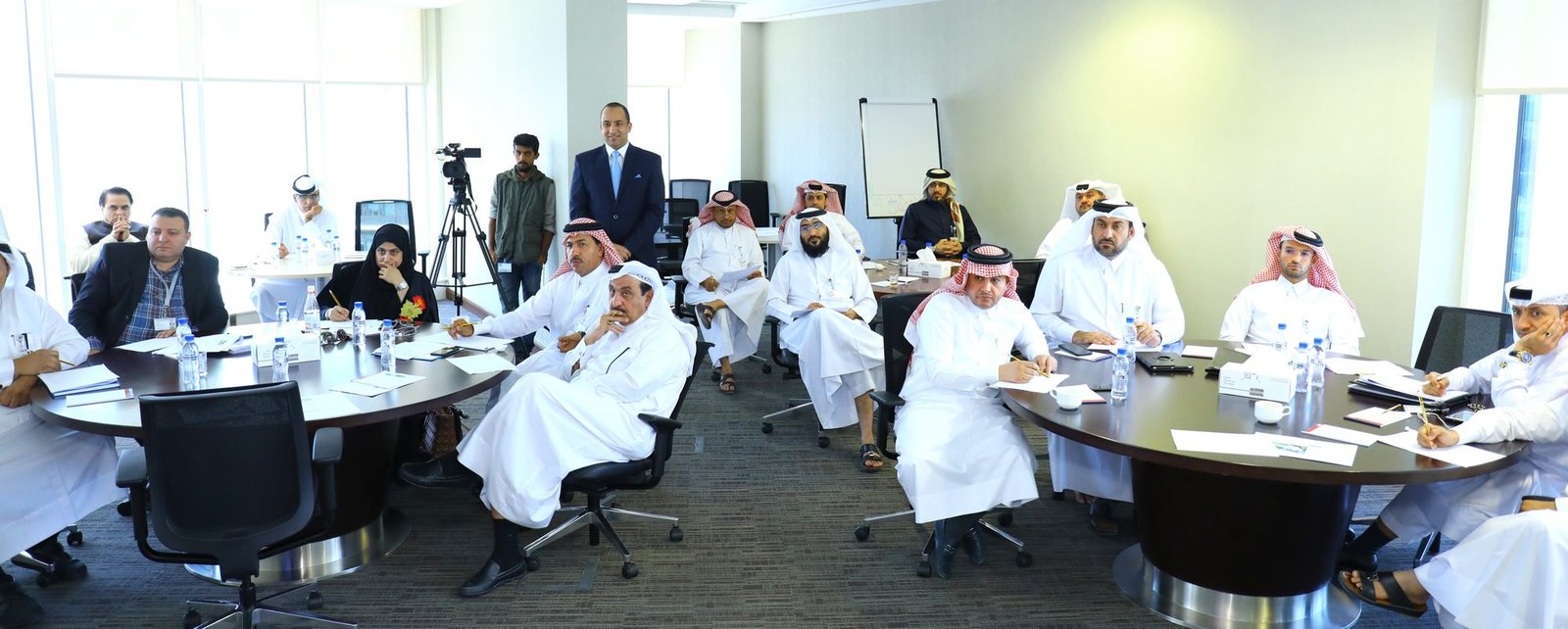 Workshop in session
Strategic HR Planning & OKRs
Aligning human capital strategy with long-term business vision using Agile goal-setting frameworks.
- Conduct SWOT and PESTLE analysis for HR contexts.
- Cascade strategic goals using OKRs.
- Conduct scenario planning for future workforce needs.
- Strategic Analysis. Internal & External Environmental Scanning.
- Defining the HR North Star.
- OKRs. The Operating System for Strategy.
- Exercise. Drafting HR Strategic Pillars and OKRs.
Organization Design for Agility
Moving beyond the “boxes and lines” of org charts to designing operating models that enable speed, flexibility, and customer centricity.
- Evaluate different org structures (Functional, Matrix, Network).
- Understand the “Spotify Model” (Squads, Tribes, Chapters).
- Optimize span of control and decision rights.
- Org Design Principles. Galbraith’s Star Model.
- Designing for Agility. Squads and Networked Teams.
- Sizing the Organization. Spans and Layers.
- Case Study. Redesigning a Hierarchical Team into an Agile Squad.
Culture Transformation Strategies
Treating culture as an “operating system” that can be designed and managed.
- Analyze culture using Schein’s Model (Artifacts, Values, Assumptions).
- Utilize culture levers: Rituals, Stories, Symbols, Systems.
- Measure culture change progress.
- Defining Culture. “How things get done around here.”
- The Shadow of the Leader.
- Culture Hacks. Small changes, big impact.
- Exercise. Defining “Target Culture” Behaviors.
Leading Through Complexity & VUCA
Advanced leadership capabilities for volatile and uncertain environments, focusing on sensemaking.
- Apply the Cynefin Framework to decision-making.
- Distinguish between “Technical” and “Adaptive” challenges.
- Lead teams through crisis and ambiguity.
- Understanding VUCA and BANI worlds.
- Systems Thinking for Leaders.
- Adaptive Leadership Principles.
- Simulation. Crisis Management Tabletop Exercise.
Strategic Workforce Planning & Scenario Modeling
The “Moneyball” of HR. Using data to forecast future talent gaps and designing strategies to Build, Buy, Borrow, or Bot.
- Conduct Supply vs. Demand analysis for critical roles.
- Differentiate between Critical Roles and Critical People.
- Create workforce scenarios (Growth, Stagnation, Transformation).
- The SWP Methodology and The 6 B’s. Buy, Build, Borrow, Bind, Bot, Bounce.
- Segmentation. Identifying Impact Roles.
- Scenario Planning Methodologies.
- Project. Running a Gap Analysis for a 3-Year Strategy.
Employer Brand & Talent Magnetism
Treating the employee experience as a product and the candidate as a customer. Defining and activating the Employee Value Proposition (EVP).
- Define and articulate a unique EVP.
- Manage the employer brand on digital platforms.
- Create authentic storytelling content.
- Marketing Meets HR. The Brand Funnel.
- Defining the EVP Pillars.
- Activation. Living the Brand.
- Action Plan. Drafting an EVP Statement.
Succession Planning & Talent Mobility
Mitigating leadership risk by building a robust pipeline of future leaders and democratizing internal mobility.
- Calibrate talent using the 9-Box Grid.
- Design high-potential (HiPo) development tracks.
- Create a culture of internal mobility.
- Succession vs. Replacement Planning.
- The 9-Box Calibration Session.
- Transparency in Succession.
- Simulation. Facilitating a Mock Talent Review Calibration.
Gig Economy & Alternative Workforce
Strategies for Total Workforce Management, integrating contractors, freelancers, and the “Open Talent Economy.”
- Integrate contingent workers into the workforce strategy.
- Manage the cultural integration of blended teams.
- Build an “On-Demand” talent strategy.
- The Rise of the Alternative Workforce.
- Total Workforce Management (TWM).
- Platforms and Vendor Management.
- Project. Designing a “Gig-Friendly” Engagement Policy.
Compensation Philosophy Design
Defining the strategic “North Star” for how the organization rewards value, moving beyond administration to philosophy.
- Articulate a clear Compensation Philosophy (Lead, Lag, or Match).
- Determine the optimal Pay Mix (Fixed vs. Variable).
- Design Total Rewards Statements to communicate value.
- The Philosophy. What do we pay for? (Performance vs. Competence).
- Market Positioning. Defining the Peer Group.
- Communicating Pay. The Transparency Spectrum.
- Exercise. Drafting a Compensation Philosophy Statement.
HR Risk Management & Audits
Adopting a governance mindset to identify, assess, and mitigate human capital risks.
- Create an HR Risk Register (Reputational, Operational, Legal).
- Understand the “Three Lines of Defense” model.
- Conduct a mock HR audit.
- Categorizing HR Risks. Strategic, Operational, Compliance, Financial.
- The HR Audit Framework.
- Governance and Ethics.
- Activity. Conducting a “Pre-Mortem” Risk Assessment.
ESG & Corporate Social Responsibility
Positioning HR as the driver of the “S” (Social) in ESG, emphasizing “Why Investors Care” and sustainable work practices.
- Understand ESG reporting standards (GRI, SASB) relevant to HR.
- Link DEI and Wellbeing to ESG targets.
- Drive authentic CSR initiatives.
- ESG Fundamentals. Why Investors Care.
- The “S” Pillar: Human Rights, Labor, Diversity.
- Reporting and Transparency.
- Application. Drafting the “People” Section of an ESG Report.
HR Technology Roadmap & ROI
Strategic investment planning to ensure HR tech drives value, not just cost.
- Develop a 3-year, phased Technology Roadmap.
- Make “Build vs. Buy” strategic decisions.
- Manage the “Valley of Despair” during implementation.
- Assessing Digital Maturity.
- Roadmap Phases. Foundation, Integration, Innovation.
- Change Management for Tech Rollouts.
- Exercise. Prioritizing Tech Investments (Impact vs. Effort).
AI in HR: Ethics & Applications
A strategic governance framework for the safe and effective adoption of AI in HR.
- Identify high-risk vs. low-risk AI use cases in HR.
- Identify and mitigate algorithmic bias in HR tools.
- Draft an “AI Acceptable Use Policy.”
- The AI Landscape. Predictive vs. Generative.
- Ethics and Governance. The “Black Box” Problem.
- The Future of the HR Profession with AI.
- Action Plan. Drafting an AI Governance Framework for HR.
Advanced People Analytics & Dashboards
Advanced storytelling with data. Teaching leaders how to visualize complex data and present it to the C-Suite to drive action.
- Apply data visualization best practices (avoiding chart junk).
- Master the art of Data Storytelling using the “Insight-Action” framework.
- Build executive-ready dashboards.
- Visual Perception and Dashboard Design.
- Segmentation and Clustering Analysis.
- Data Storytelling. Context, Visual, Narrative.
- Case Study. Critique and Redesign of an Executive Dashboard.
HR Innovation & Design Thinking
Creating a culture of experimentation within HR. Using agile methods to prototype, test, and scale new HR products.
- Apply the “Fail Fast, Learn Faster” mindset.
- Run “Sprints” and Hackathons to solve HR problems.
- Prototype, Test, and Scale solutions rapidly.
- The Agile HR Mindset.
- Running a Design Sprint (5 Days).
- Prototyping. Low Fidelity to High Fidelity.
- Simulation. The HR Hackathon, Solving a Wicked Problem.