Academy Modules: Foundation level
For HR professionals in their first two years. Fourteen short modules that build a confident grasp of modern HR, HR technology and everyday people practice.
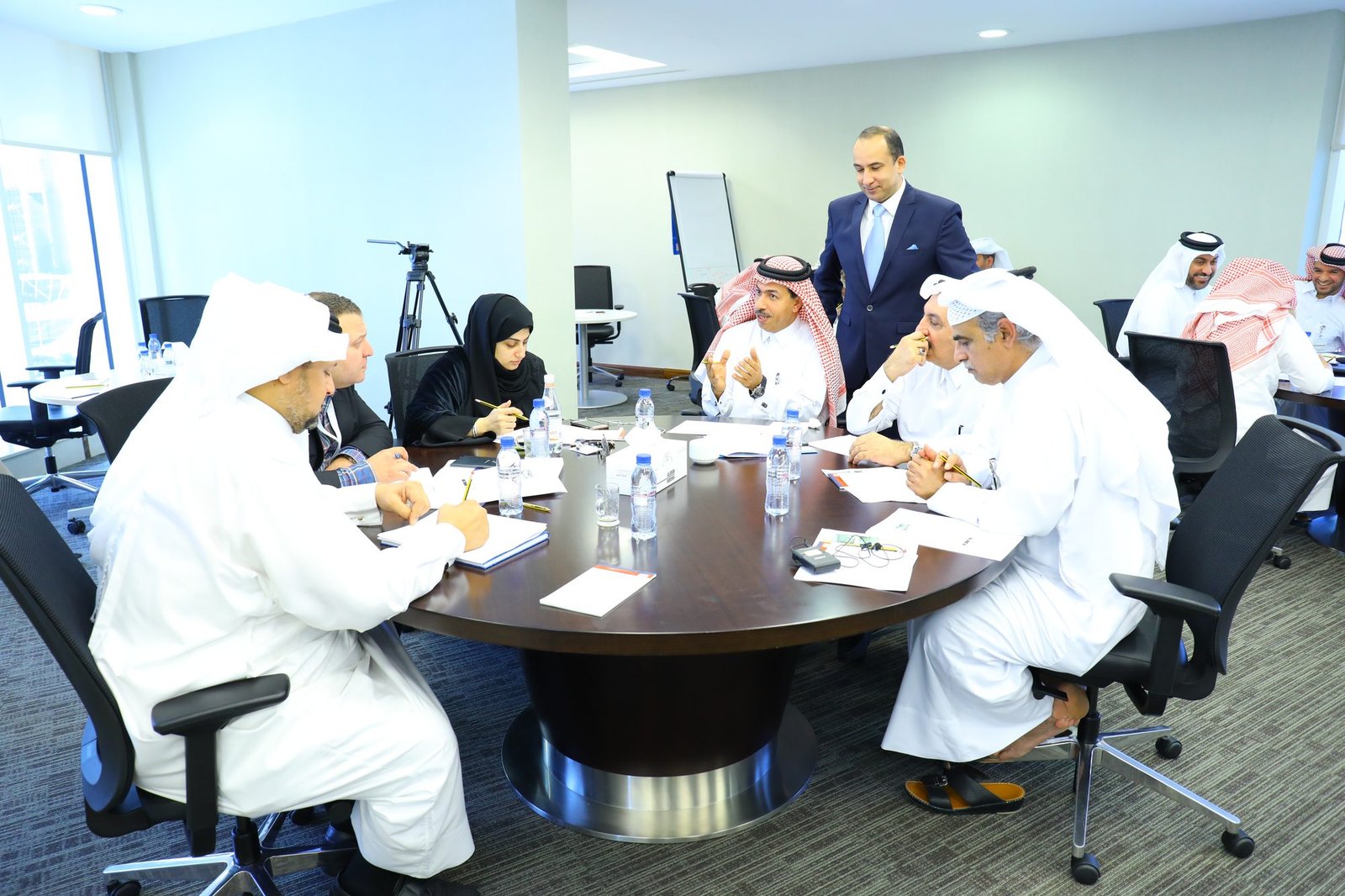 Workshop in session
The Future of Work & HR’s Role
A strategic induction into the shifting landscape of work, moving participants from administrative mindsets to understanding the macro-forces (AI, Demographics, Gig Economy) redefining HR.
- Identify macro trends reshaping the global workforce.
- Articulate the shift from “Personnel” to “People & Culture.”
- Understand the expectations of the modern HR Business Partner.
- The 4th Industrial Revolution. AI, Automation, and Agility.
- The Evolution of HR. From Admin to Architect.
- The Rise of the Hybrid and Gig Workforce.
- Activity. Assessing Personal Readiness for the Future of Work
Employee Lifecycle Excellence
A holistic view of the employee journey, teaching participants to view HR processes not as isolated silos but as an integrated experience from “Hire to Retire.”
- Map the 7 stages of the employee lifecycle.
- Identify “Moments that Matter” (MTM) and critical touchpoints.
- Define success metrics for attraction, development, and separation.
- The Employee Lifecycle Framework (Attract to Alumni).
- Breaking Silos. Connecting Recruitment to Onboarding to L&D.
- Designing Touchpoints. The “Peak-End” Rule.
- Project. Drafting a High-Level Lifecycle Map.
HRIS Mastery & Automation
Moving beyond data entry to understanding the strategic capabilities of modern HR Information Systems for workflow efficiency.
- Understand the difference between “System of Record” and “System of Engagement.”
- Automate routine workflows (notifications, approvals).
- Master data hygiene principles to ensure accurate reporting.
- HRIS Anatomy. Core Data vs. Talent Modules.
- Workflow Automation 101. Triggers and Actions.
- Garbage In, Garbage Out: The Cost of Bad Data.
- Exercise. Process Mapping a Manual Workflow for Automation.
HR Tech Stack Navigation
A guide to the complex ecosystem of HR technology, helping junior HR pros understand how different tools talk to each other.
- Map the HR technology landscape (ATS, LMS, EXP, HRIS).
- Understand integration concepts (APIs, Data Flow).
- Evaluate tools using basic ROI and usability criteria.
- Mapping the Ecosystem. Best-of-Breed vs. All-in-One.
- The “Spaghetti” Problem: Why Integrations Matter.
- User Experience (UX) in HR Tech.
- Application. Auditing Your Current Toolset.
AI Tools for HR Operations
A hands-on “lab” style module focusing on the practical, daily application of Generative AI to speed up HR tasks.
- Leverage ChatGPT/GenAI for drafting communications and policies.
- Use AI for candidate screening and sentiment analysis.
- Navigate ethical boundaries (bias, privacy) in daily use.
- GenAI Fundamentals. Prompts and Personas.
- Operational Use Cases. Writing JDs, Emails, and SOPs.
- The “Human in the Loop”: Ethics and Verification.
- Activity. The “Prompt-a-thon”, Drafting HR Content Live.
Digital Workflow Optimization
Applying Lean and Digital principles to manual HR processes to eliminate paper, identify and eliminate bottlenecks in administrative processes, and reduce cycle time.
- Map current state processes to identify bottlenecks.
- Apply “Lean” principles to remove waste.
- Design friction-free digital employee experiences.
- Process Mapping. Swimlanes and Flowcharts.
- Waste Identification. The 8 Wastes in HR.
- Eliminating Approvals. Designing for Trust.
- Case Study. Redesigning the Leave Approval Process.
EX Journey Mapping
Leveraging Design Thinking to visualize the employee experience, ensuring HR processes are designed with empathy for the end-user.
- Apply Design Thinking principles (Empathize, Define, Ideate).
- Create Employee Personas.
- Build a Journey Map for a specific employee segment.
- Design Thinking vs. Process Engineering.
- Building Personas. Who are we designing for?
- Mapping the Journey. Doing vs. Thinking vs. Feeling.
- Exercise. Creating a Journey Map for “New Hires.”
Onboarding Excellence & Preboarding
Transforming onboarding from “paperwork” to “people work,” focusing on retention and time-to-productivity.
- Design a pre-boarding strategy to reduce “ghosting.”
- Create day-one experiences that confirm the decision to join.
- Structure a 90-day integration plan.
- The 4 C’s of Onboarding. Compliance, Clarification, Culture, Connection.
- Pre-boarding. The Critical Window.
- The Role of the Buddy and the Manager.
- Action Plan. Designing a “Welcome Experience” Blueprint.
Engagement Drivers & Pulse Surveys
Moving from annual engagement events to continuous listening strategies that provide real-time insights into workforce sentiment.
- Understand the psychology of engagement (Autonomy, Mastery, Purpose).
- Design effective pulse survey questions.
- Analyze results and move to action planning.
- Satisfaction vs. Engagement vs. Commitment.
- Pulse vs. Annual: The Continuous Listening Strategy.
- Action Planning. Turning Data into Dialogue.
- Application. Crafting a 5-Question Pulse Check.
Stay Interviews & Retention Strategies
Proactive retention management using data and conversation rather than reactive counteroffers.
- Conduct effective “Stay Interviews” with key talent.
- Analyze retention data to identify flight risks.
- Implement targeted retention interventions.
- Exit Interviews vs. Stay Interviews.
- The Stay Interview Script. What to ask and how to ask it.
- Identifying Flight Risk Indicators.
- Roleplay. Conducting a Stay Interview.
Stakeholder Management Excellence
Building political savvy and influence skills for HR professionals to navigate the organization effectively.
- Map stakeholders by power and interest.
- Build credibility and trust with line managers.
- Manage conflicting expectations and “manage up.”
- The Trust Equation in HR.
- Power/Interest Grid Mapping.
- Influencing Styles. Push vs. Pull.
- Activity. Completing a Stakeholder Influence Matrix.
Difficult Conversations & Feedback
Equipping HR to handle the emotional and tactical aspects of sensitive conversations.
- Apply the SBI (Situation-Behavior-Impact) model.
- Use Non-Violent Communication (NVC) techniques.
- Manage emotional reactions during performance/misconduct talks.
- The Neuroscience of Feedback (Fight or Flight).
- Feedback Frameworks. SBI and STAR.
- Radical Candor. Caring Personally while Challenging Directly.
- Simulation. The Disciplinary Conversation.
Virtual Team Collaboration
Techniques and tools for maintaining culture and productivity in dispersed teams.
- Build “Virtual Trust” without physical proximity.
- Facilitate engaging remote meetings.
- Select the right collaboration tools (Async vs. Sync).
- Synchronous vs. Asynchronous Communication.
- Virtual Meeting Hygiene and Etiquette.
- Building Culture Remotely.
- Action Plan. Creating a “Team Charter” for Hybrid Work.
HR Service Delivery & HRBP Model
Understanding how HR organizes itself to deliver value to the business.
- Differentiate between COEs, Shared Services, and HRBPs.
- Define Service Level Agreements (SLAs).
- Understand the Ulrich Model and its modern evolutions.
- The Ulrich Model. Then and Now.
- The Role of the HRBP. Strategic Partner vs. Generalist.
- Defining the Service Catalogue.
- Exercise. Auditing Your HR Delivery Model.