

The domain of AI agents is experiencing a period of rapid evolution, transitioning from rudimentary automation tools to increasingly sophisticated collaborators. This accelerated pace of change is underscored by recent developments, including OpenAI’s unveiling of a five-stage AI framework on July 9th, 2024, alongside their new o1 model. To facilitate a clearer understanding of this transformative process, we can delineate five distinct stages in the development of AI agents, each characterized by progressively greater autonomy, adaptability, and cognitive ability. This framework provides HR professionals with a roadmap for comprehending, deploying, and maximizing the potential of AI agents within the workplace.
Stage 1: Task-Oriented Assistants
This stage represents the initial foray into the realm of AI agents. These agents are engineered to execute specific, well-defined tasks with little to no variation, akin to digital assistants focused on singular functions.
• Characteristics:
o Adhere to pre-programmed rules and instructions.
o Function within clearly defined parameters.
o Exhibit limited capacity to adapt to unforeseen circumstances or inputs.
o Examples: Chatbots that deliver scripted responses, email filters that automatically sort messages based on keywords, and software that automatically extracts data from invoices into spreadsheets.
• HR Applications:
o Automating responses to routine HR inquiries (e.g., vacation policies, benefits enrollment). Research conducted by Spiceworks indicated that 40% of large enterprises were utilizing chatbots in 2018, with HR being a prominent area of implementation. (Spiceworks, 2018, “Data snapshot: AI chatbots and intelligent assistants in the workplace.” https://www.spiceworks.com/)
o Screening and prioritizing job applications according to basic criteria. A 2019 report by Ideal suggested that AI could decrease time-to-hire by 75% through the automation of initial screening procedures. (Ideal, 2019, “The State of AI in Talent Acquisition.” https://ideal.com/)
o Dispatching automated reminders for performance evaluations or compliance training. A PwC survey revealed that AI has the potential to automate or augment up to 45% of work activities, potentially yielding savings of up to $2 trillion in workforce expenses for businesses. (PwC, 2017, “Sizing the prize What’s the real value of AI for your business and how can you capitalise?” https://www.pwc.com/gx/en/issues/analytics/assets/pwc-ai-analysis-sizing-the-prize-report.pdf)
• Real-World Examples:
o XOR provides a platform for developing chatbots to streamline initial candidate screening interactions. (XOR, “Automate Candidate Screening with AI Chatbots.” https://www.xor.ai/)
o Mya Systems offers an AI-driven recruiting assistant that automates tasks such as interview scheduling and responding to candidate queries. (Mya Systems, “Conversational AI for Recruiting.” https://www.mya.com/)
o Textio employs machine learning to assess job postings and propose enhancements to attract a more diverse and qualified applicant pool. (Textio, “Augmented Writing for Recruitment.” https://textio.com/)
Stage 2: Contextual Collaborators
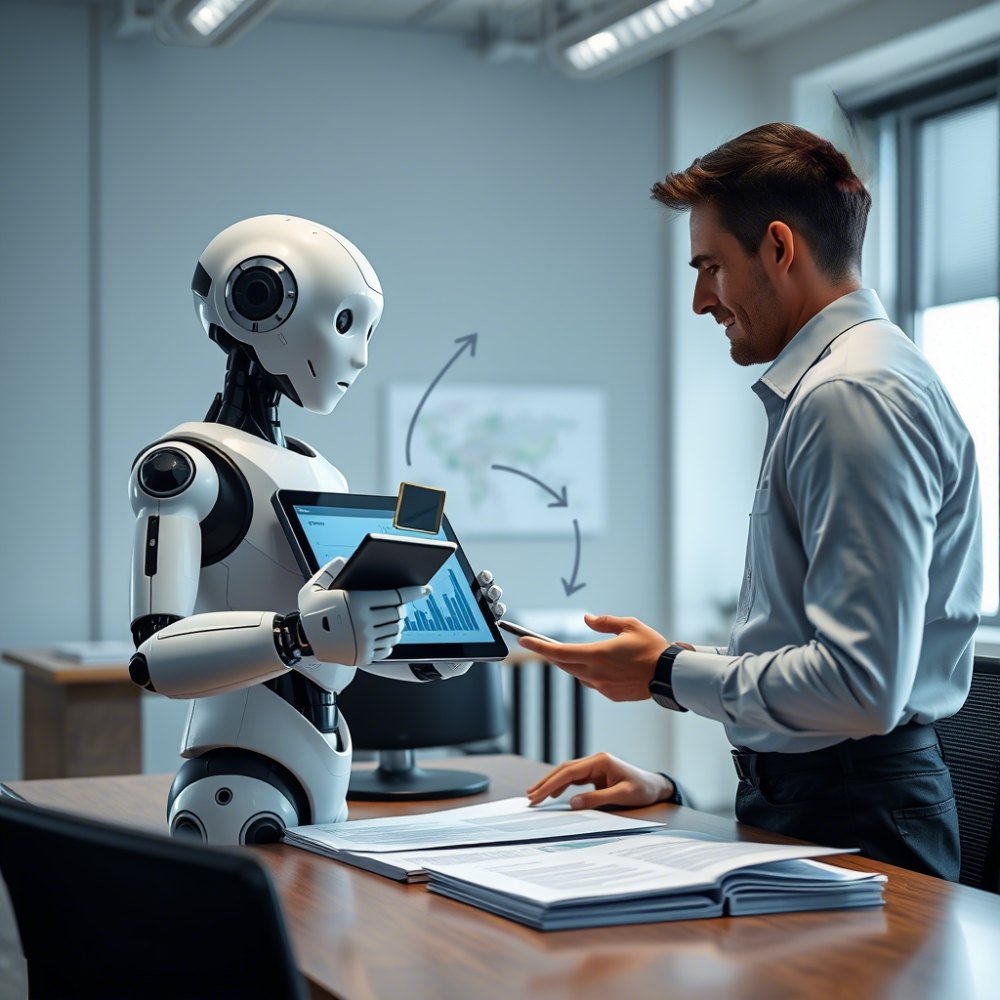
This stage signifies a substantial advancement, with agents capable of interpreting context and modifying their responses accordingly. These agents can analyze information from multiple sources to deliver more pertinent and individualized interactions. The introduction of OpenAI’s o1 model exemplifies this progress, showcasing an AI system with human-like reasoning abilities, thus highlighting the rapid advancements beyond mere text generation. The capabilities of contemporary AI systems to comprehend context, dissect complex scenarios, and formulate fitting responses is gaining significant traction in the tech industry. Industry leaders such as Google, Microsoft, and Amazon are actively working to incorporate these sophisticated capabilities into their business offerings.
• Characteristics:
o Employ machine learning to discern context and user intent.
o Adjust to evolving circumstances and data inputs.
o Manage more intricate tasks that necessitate basic decision-making.
o Examples: Intelligent email assistants that prioritize messages based on sender, content, and urgency; voice-activated assistants that regulate room temperature and lighting in response to occupants’ presence; and AI writing assistants that aid in crafting content aligned with individual writing styles.
• HR Applications:
o Tailoring employee learning recommendations to individual skills gaps, career ambitions, and learning histories. A case study conducted by IBM demonstrated that employing AI to customize learning suggestions led to a 300% increase in learner engagement. (IBM, 2019, “The Business Value of AI-Powered Personalized Learning.” https://www.ibm.com/)
o Examining employee feedback to discern trends in sentiment and pinpoint areas for enhancing workplace culture. Research by Bersin by Deloitte revealed that organizations leveraging people analytics were 3.1 times more likely to financially outperform their competitors. (Bersin by Deloitte, 2017, “High-Impact People Analytics: The Future Is Here.” https://www2.deloitte.com/us/en/insights/topics/talent/people-analytics-is-here.html)
o Refining recruitment advertising expenditure by evaluating the efficacy of various candidate sources and modifying allocation in real time. A Jobvite report indicated that businesses employing data-driven recruitment approaches experienced a 56% higher success rate in securing top talent. (Jobvite, 2018, “Recruiter Nation Survey.” https://www.jobvite.com/)
• Real-World Examples:
o Eightfold AI utilizes machine learning to match candidates with job vacancies based on their skills and experience, offering a more refined approach than conventional keyword matching. (Eightfold AI, “Talent Intelligence Platform.” https://eightfold.ai/)
o Culture Amp employs natural language processing to scrutinize employee feedback and identify central themes and sentiment. (Culture Amp, “Employee Feedback Platform.” https://www.cultureamp.com/)
o Beamery provides a recruitment marketing platform that leverages AI to customize candidate experiences and enhance engagement. (Beamery, “Talent Operating System.” https://beamery.com/)
Stage 3: Proactive Problem-Solvers
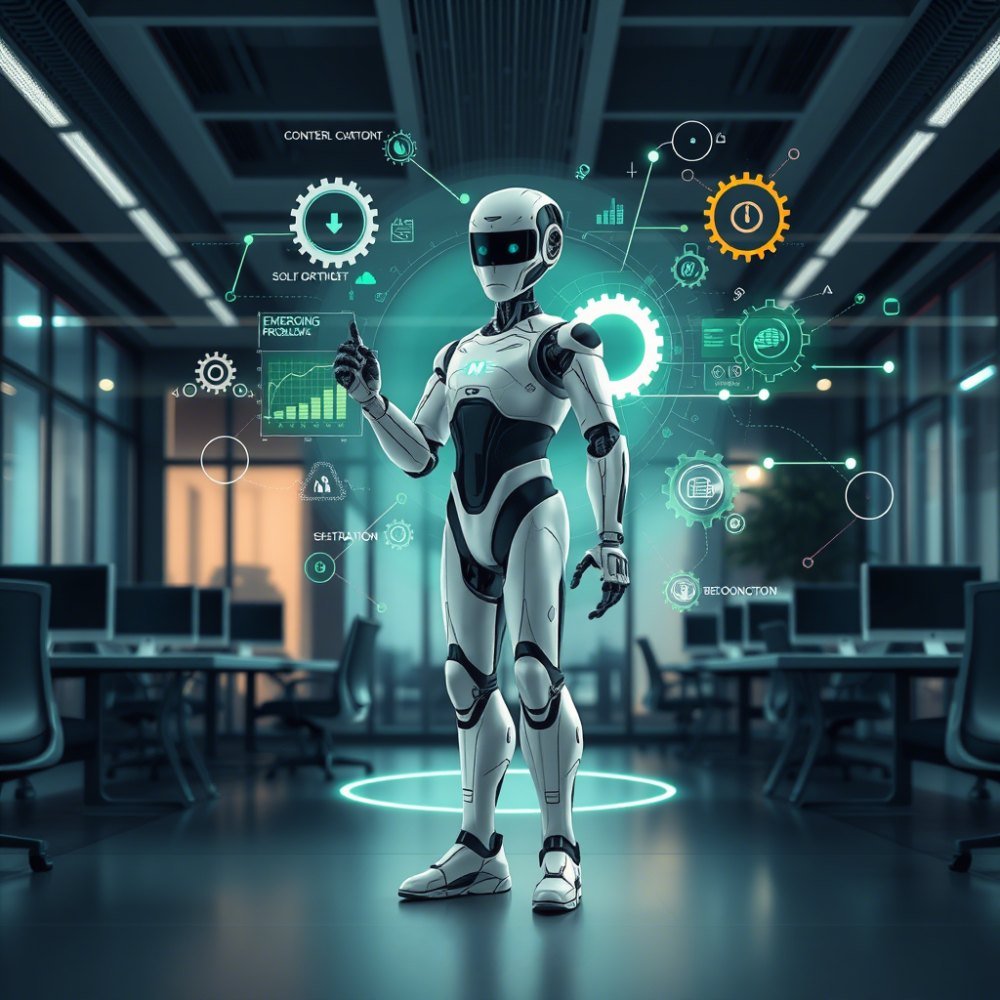
We stand on the verge of this transformative stage. Industry experts like Jeremy Kahn suggest that while Salesforce has already implemented these agents, other major players, including Google, Microsoft, and OpenAI, are poised to follow suit in the near future, with Amazon likely to enhance Alexa’s capabilities. Agents in this stage transcend reactive responses to specific prompts, beginning to predict needs and provide solutions preemptively. They possess the capacity to scrutinize patterns, detect potential problems, and act independently to resolve them. The introduction of these AI agents presents businesses with remarkable opportunities alongside substantial challenges. While these systems can function autonomously, making decisions and performing tasks with little human oversight, such independence prompts serious considerations regarding accountability and control.
• Characteristics:
o Employ predictive analytics and sophisticated algorithms to foresee needs and detect problems.
o Initiate actions and deliver solutions proactively.
o Exhibit a greater degree of autonomy in decision-making.
o Examples: Surveillance systems that identify irregularities and notify administrators of potential security threats, and systems that flag fraudulent transactions based on established spending patterns.
• HR Applications:
o Pinpointing employees susceptible to burnout by evaluating workload, work hours, and feedback data, and offering proactive interventions. Research by Gallup indicates that employees experiencing burnout are 2.6 times more likely to be actively seeking new employment. (Gallup, 2018, “Employee Burnout, Part 1: The 5 Main Causes.” https://www.gallup.com/workplace/237059/employee-burnout-part-main-causes.aspx)
o Forecasting future talent requirements based on business projections and industry trends, and suggesting proactive recruitment or training initiatives. McKinsey’s research highlights that firms adopting data-driven HR methodologies are 5-10% more productive and profitable. (McKinsey, 2018, “The data-driven enterprise of 2025.” https://www.mckinsey.com/capabilities/mckinsey-digital/our-insights/the-data-driven-enterprise-of-2025)
o Vigilantly monitoring employee communications for indications of policy breaches or ethical concerns, and promptly alerting HR to potential issues. A Gartner report suggests that by enhancing risk comprehension, AI-enabled, automated risk responses can diminish human error and bolster security considerably. (Gartner, 2022, “2022 Gartner Board of Directors Survey Shows That the Board Views Cybersecurity as a Business Risk, Not a Technology Risk.” https://www.gartner.com/en/newsroom/press-releases/2022-gartner-board-of-directors-survey-shows-that-the-board-views-cybersecurity-as-a-business-risk-not-a-technology-risk)
• Real-World Examples:
o Glint provides a platform that employs AI to scrutinize employee feedback and identify potential risks to employee engagement and retention. (Glint, “People Success Platform.” https://www.glintinc.com/)
o Ultimate Software’s UltiPro utilizes predictive analytics to detect employees who may be considering leaving the organization. (Ultimate Software, “UltiPro.” https://www.ultimatesoftware.com/)
o Microsoft Workplace Analytics offers insights into employee collaboration patterns and pinpoints areas for enhancing productivity and well-being. (Microsoft, “Workplace Analytics.” https://products.office.com/en-us/business/workplace-analytics)
Stage 4: Adaptive Strategists
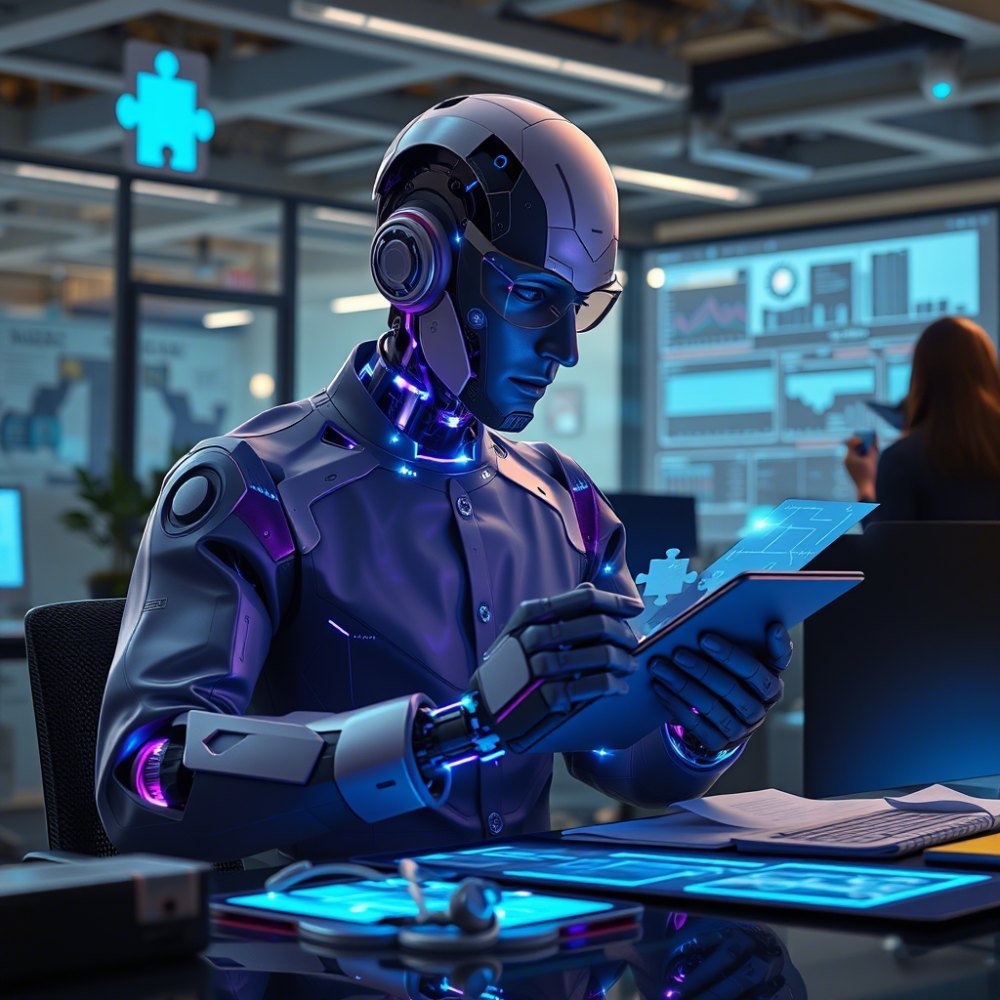
Agents at this stage exhibit a considerable level of autonomy, possessing the capacity to modify their strategies in response to shifting circumstances and long-range objectives. They demonstrate the ability to learn from past experiences, refine their performance, and even devise novel problem-solving methods.
• Characteristics:
o Utilize reinforcement learning and other sophisticated AI methods for continuous learning and adaptation.
o Modify strategies according to results and feedback.
o Formulate and execute new solutions without the need for direct human involvement.
o Examples: Autonomous vehicles that persistently learn and adjust to varied road conditions and driving scenarios, and AI-driven robots capable of assembling products on a production line while automatically modifying their technique to enhance efficiency.
• HR Applications:
o Adaptively modifying compensation and benefits packages to enhance employee retention and draw in top talent within a competitive job market. A study by WorldatWork revealed that organizations with flexible total rewards programs were 1.7 times more likely to be high-performing. (WorldatWork, 2019, “Total Rewards Optimization: Driving Business Success.” https://www.worldatwork.org/)
o Developing individualized career development plans for employees, revising these plans based on their advancement and evolving business requirements. A report by Deloitte emphasized the significance of customized and adaptable career development in engaging and retaining Millennial and Gen Z workers. (Deloitte, 2020, “The Deloitte Global Millennial Survey 2020.” https://www2.deloitte.com/global/en/pages/about-deloitte/articles/millennialsurvey.html)
o Streamlining the complete employee lifecycle, from initial recruitment to retirement, by perpetually analyzing data and improving procedures. A study by the Society for Human Resource Management (SHRM) discovered that organizations employing data to enhance the employee lifecycle experienced a 22% increase in employee engagement. (SHRM, 2021, “The Value of People Analytics.” https://www.shrm.org/)
• Real-World Examples:
o Although still in preliminary phases, companies such as Pymetrics are investigating the application of AI to forge more adaptable and personalized career development pathways for employees. (Pymetrics, “Soft Skills Platform.” https://www.pymetrics.ai/)
o Fuel50 provides an AI-enhanced career pathing platform that assists employees in discovering internal mobility prospects and creating customized career plans. (Fuel50, “Career Pathing Software.” https://www.fuel50.com/)
o Workday is beginning to integrate machine learning into its talent management platform to deliver more flexible recommendations for learning, development, and career advancement. (Workday, “Talent Management.” https://www.workday.com/en-us/products/talent-management/overview.html)
Stage 5: Autonomous Innovators
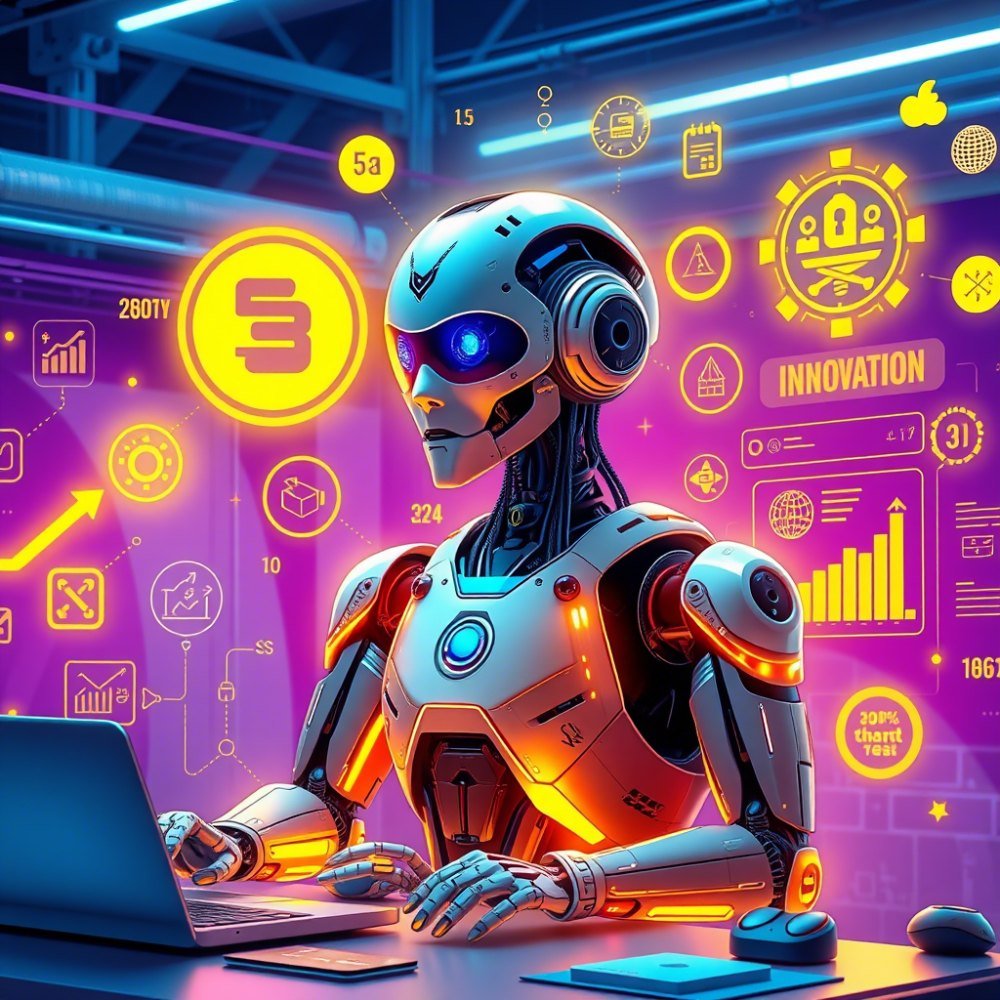
These agents function with almost total independence, possessing the ability to establish their own objectives, create groundbreaking solutions, and instigate significant change. This stage represents the cutting edge of AI agent development, holding the potential to revolutionize industries and transform the future of work. The capacity of these agents to operate autonomously, similar to the functions of an entire organization, brings us ever closer to the potential for Artificial General Intelligence (AGI).
• Characteristics:
o Display a significant level of creativity and innovation.
o Establish autonomous goals that are in line with broader organizational goals.
o Promote substantial change and transformation.
o Examples: While genuinely autonomous innovators remain largely conceptual, potential examples could include AI-powered research labs that autonomously conceive and carry out experiments to create new materials or pharmaceuticals, or an AI-powered creative assistant that independently develops advertising campaigns based on client specifications.
• HR Applications:
o Reconfiguring the organizational framework to promote agility and innovation in response to changing market conditions. A report by Boston Consulting Group (BCG) underscores the necessity for organizations to embrace new work structures, like cross-functional teams and diverse talent pools. (Boston Consulting Group, 2023, “What is the Future of Work” https://www.bcg.com/featured-insights/future-of-work)
o Conceiving entirely new methods for talent management, informed by AI insights and directed towards maximizing human potential. A paper by MIT researchers examined how AI-enhanced managers could surpass the productivity of AI or managers working in isolation. (Shrestha, Y. R., Ben-Menahem, S. M., & von Krogh, G. (2021). Organizational decision-making structures in the age of artificial intelligence. California Management Review, 63(4), 66-83. https://cmr.berkeley.edu/2021/05/63-4-shrestha-ben-menahem-von-krogh/)
o Cultivating a genuinely adaptable and future-ready workforce, capable of succeeding in a quickly changing environment. The World Economic Forum projects that by 2025, 85 million jobs might be displaced due to a shift in the division of labor between humans and machines, while 97 million new roles could emerge that are better suited to this new distribution of work. (World Economic Forum, 2020, “The Future of Jobs Report 2020.” https://www.weforum.org/reports/the-future-of-jobs-report-2020)
o Assisting in the detection and reduction of unconscious bias in HR procedures (e.g., during hiring, promotions, and performance evaluations).
• Real-World Examples:
o This stage remains largely aspirational, yet research by entities like OpenAI and DeepMind is advancing the frontiers of AI towards enhanced autonomy and innovation. (OpenAI, “Research.” https://openai.com/research) (DeepMind, “Research.” https://www.deepmind.com/research)
o Corporations such as Google are significantly investing in AI research and development, striving to develop more versatile AI systems capable of adapting and innovating across a multitude of domains. (Google AI, “Research.” https://ai.google/research/)
o The creation of sophisticated AI systems for scientific exploration, like those utilized in drug discovery and materials science, could foreshadow more independent innovation in other sectors. (Nature, 2020, “AI for Science.” https://www.nature.com/collections/ai-for-science)
Preparing for the Future: A Human-Centered Approach
This five-stage framework underscores the remarkable potential of AI agents to revolutionize HR and the wider professional world. The rapid evolution from conversational AI to the brink of AI agency demands that HR professionals adopt a forward-looking, human-centered approach. By strategically planning for AI integration, developing new skills, focusing on ethical considerations, and embracing a culture of continuous learning, we can ensure that AI agents become powerful allies. As McKinsey & Company state, these agents will need “considerable testing, training, and coaching” to become trusted partners. Our role is to guide this process, shaping a future where AI empowers us to build a more equitable, engaging, and fulfilling future of work for all. (McKinsey & Company, “What is generative AI?,” July 26, 2023, https://www.mckinsey.com/featured-insights/mckinsey-explainers/what-is-generative-ai).
Here are some essential considerations and action steps:
1. Strategic Planning and Integration: Before deploying any AI agent solutions, HR professionals should clearly articulate the specific challenges they aim to resolve and the outcomes they hope to achieve. The emphasis should be on leveraging AI agents to enhance human capabilities rather than supplant human workers. It is also important to assess various Agentic Automation platforms and solutions based on their functionality, usability, security features, and compatibility with current HR systems.
2. Developing New Skills: The emergence of AI agents will fundamentally alter workplace dynamics, necessitating new skill sets for HR professionals. In a world where AI agents manage complex workflows, expertise in interacting with agents, analyzing their outputs, and ensuring their ethical use will become indispensable. Organizations must concentrate on cultivating new competencies, including AI system supervision, strategic oversight, decision validation, risk management, and interdisciplinary collaboration.
3. Focus on Implementation, Oversight, and Governance: Organizations need to consider establishing mechanisms for system oversight and control, defining clear lines of responsibility and accountability, implementing robust security protocols, ensuring seamless integration with existing business processes, and providing comprehensive employee training and development. It is also important to create a phased implementation plan, set key milestones, establish success metrics, monitor performance, refine systems, and foster a culture of continuous improvement.
4. Promote Ethics: The potential for delegating crucial HR tasks to opaque algorithms that may harbor hidden biases must be proactively addressed to mitigate legal risks and promote a fair and equitable workforce. Explainable AI (XAI) tools are becoming increasingly important as the need for transparency in decision-making grows, influencing areas such as recruitment strategies (to minimize selection bias), employee training (by customizing learning content), and onboarding procedures (through personalized employee experiences).
5. Embrace a Culture of Experimentation and Continuous Learning: The field of AI, especially Agentic Automation, is rapidly advancing. Keeping abreast of the latest developments, investigating novel applications, and participating in ongoing professional development are crucial for effectively navigating this fluid landscape. HR professionals should actively seek out resources, participate in relevant conferences, and establish connections with experts in AI and HR to remain at the forefront of these changes.
6. Champion a Human-Centred Approach: As the workplace becomes increasingly influenced by AI, it is vital to remember that technology should ultimately serve human needs. Prioritizing ethical considerations, guaranteeing transparency, and concentrating on the development of systems that empower individuals and enrich the employee experience are of utmost importance. By adopting a human-centered approach, we can help ensure that AI agents make a positive contribution to a more just, engaging, and rewarding future of work for everyone.
By adopting these measures, HR professionals can position themselves to ensure that AI agents are harnessed as potential allies in the creation of a more efficient, engaging, and satisfying future of work.
First published on LinkedIn.